
What Causes Fibroids In Women?
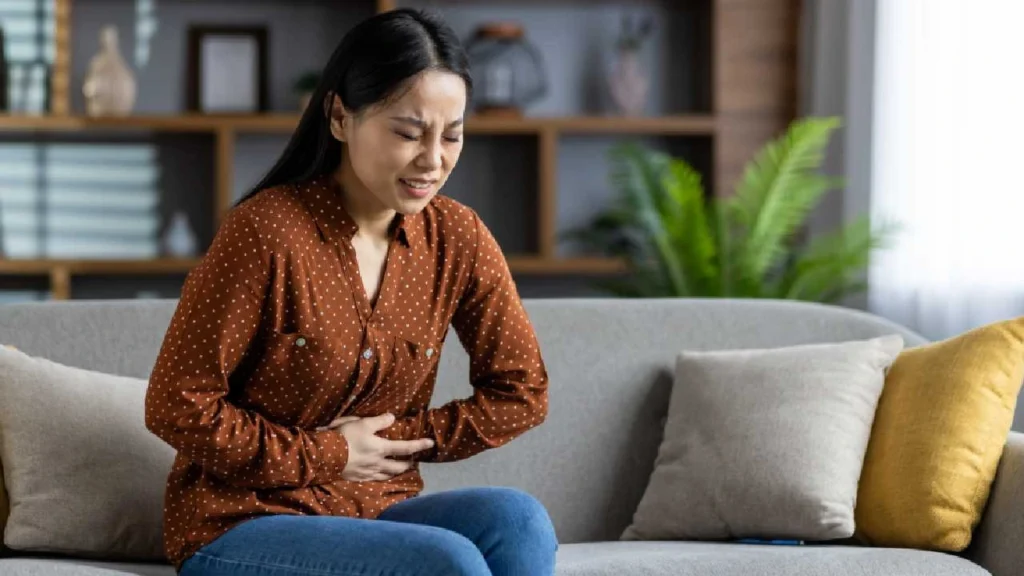
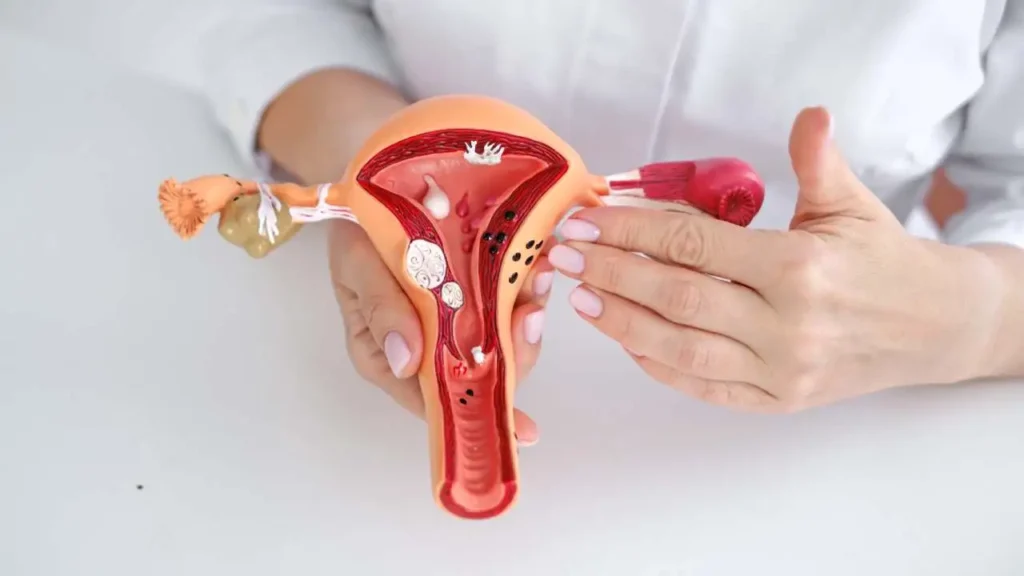
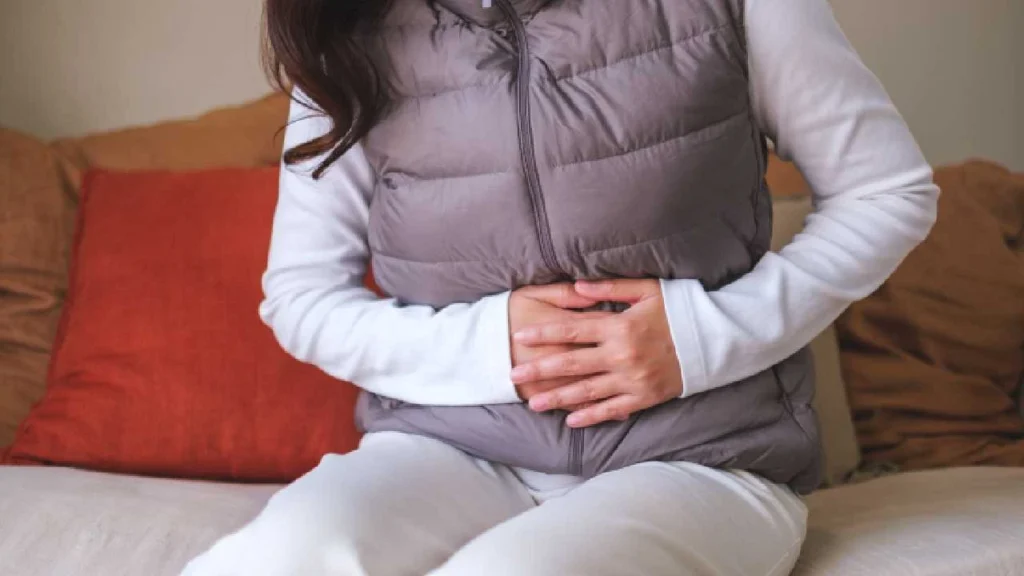
You’ve probably heard of uterine fibroids, those noncancerous growths that can silently cause heavy periods, pelvic pain, and fertility issues. They’re extremely common, affecting up to 70% of women by age 50, but not all women have symptoms. For those who do, fibroids can significantly disrupt daily life, cause chronic pain, or make pregnancy difficult.
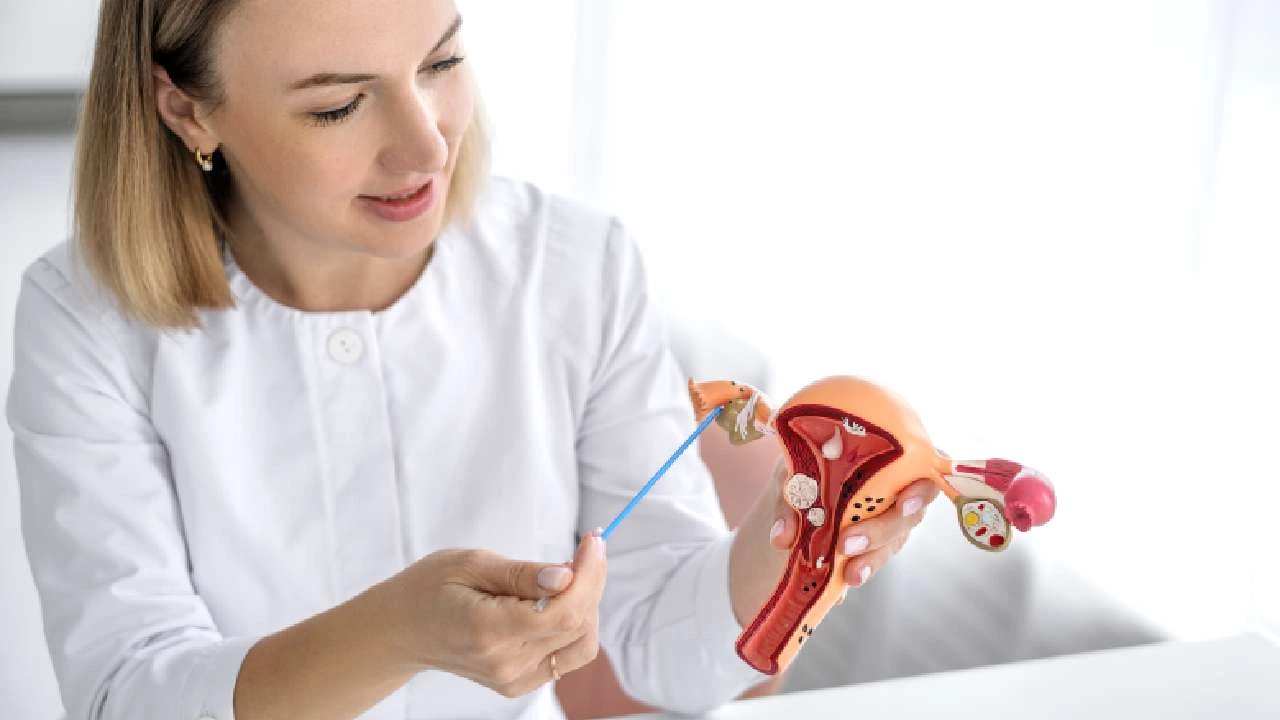
But what causes fibroids in the first place? While researchers are still uncovering the exact reasons, several key factors seem to influence whether a woman develops fibroids.
Hormonal Imbalances
Hormones, particularly estrogen and progesterone, play a significant role in the development of fibroids. These hormones regulate the uterine lining during your menstrual cycle, and they can also stimulate fibroid growth.
Fibroids often grow rapidly during pregnancy and shrink after menopause, when hormone production decreases. Birth control pills and hormone replacement therapy can sometimes increase fibroid size. In short, hormonal imbalances create an environment that allows fibroids to thrive, particularly when estrogen levels are elevated.
Genetics
If your mother, sister, or grandmother had fibroids, you’re more likely to develop them too. Certain genetic variations may make your uterine tissue more prone to abnormal cell growth. Studies show a strong hereditary component to fibroid formation. Women with a family history often develop fibroids earlier and may have more severe symptoms. So if fibroids run in your family, you may want to schedule regular pelvic exams.
Race and Ethnicity
One of the most striking risk factors for fibroids is race. African American women are 2 to 3 times more likely to develop fibroids compared to women of other racial backgrounds. In fact, fibroids tend to appear earlier and grow larger in African American women. They are also more likely to cause severe symptoms, such as anemia and pelvic pain. Researchers believe a mix of genetic and hormonal factors may contribute to these disparities.
Obesity
Being overweight or obese can significantly raise your risk of developing fibroids. Fat cells produce estrogen, and excess body fat leads to elevated estrogen levels, one of the main hormones linked to fibroid growth. Women with a BMI of 30 or higher are more likely to develop larger and multiple fibroids. Obesity may also worsen symptoms like heavy bleeding. Maintaining a healthy weight can help slow the development of fibroids.
Lifestyle Factors
While you can’t change your genes or race, certain lifestyle choices can either increase or reduce your fibroid risk.
- Poor diet (especially high in red meat) has been linked to fibroid growth.
- Chronic stress may disrupt your hormone balance and contribute to inflammation.
- Low physical activity levels are also associated with an increased risk of fibroids.
How To Minimize The Risk Of Fibroids In Women
You may not be able to completely prevent fibroids, but there are steps you can take to lower your risk and potentially delay their growth. This is especially important if you already have small fibroids or a strong family history.
So, what can you do to protect your reproductive health?
- Maintain a healthy weight: Keeping your BMI in a normal range reduces estrogen levels and inflammatory markers. Even modest weight loss can make a significant difference in hormone regulation and reduce the risk of fibroids.
- Eat a balanced, plant-rich diet: Focus on fruits, leafy greens, and cruciferous vegetables like broccoli. These foods are rich in antioxidants and fiber, which may help balance hormones and reduce inflammation.
- Exercise regularly: Aim for at least 30 minutes of physical activity most days. Exercise helps regulate blood sugar, reduce fat tissue, and support overall hormone health, all of which may lower the risk of fibroids.
- Manage stress levels: High stress can lead to hormone disruptions. Try mindfulness, deep breathing, or therapy to help your body manage cortisol and maintain hormonal balance.
- Avoid environmental toxins: Some endocrine-disrupting chemicals found in plastics, pesticides, and personal care products may mimic estrogen. Reduce your exposure when possible by choosing cleaner products.
Explore Non-Surgical Fibroid Relief
If you already have fibroids, you may be wondering about your treatment options. At Fibroid Pain Center, we offer uterus-sparing treatments, such as uterine fibroid embolization (UFE), to help you avoid hysterectomy and preserve your reproductive health.
UFE is a minimally invasive procedure that blocks the blood flow to fibroids, causing them to shrink and decrease in size. It requires no incisions, offers same-day recovery, and has a high patient satisfaction rate. Learn about our fibroid treatments to find out if UFE is right for you.
At Fibroid Pain Center, we’re here to help you understand your body and feel empowered about your treatments. Whether you’re just starting to notice symptoms or already exploring your options, contact us to schedule a consultation today.
FAQs
Can Fibroids Go Away On Their Own?
In some cases, fibroids may shrink on their own, especially after menopause, when hormone levels naturally decline. However, if you’re premenopausal and have symptoms, fibroids usually won’t go away without treatment. It’s important to monitor them regularly.
Do All Fibroids Cause Symptoms?
No, not all fibroids cause symptoms. Many women have fibroids and don’t even know it. But if you’re experiencing heavy periods, pelvic pressure, or frequent urination, fibroids could be the reason.
Can You Still Get Pregnant With Fibroids?
Yes, many women with fibroids can still get pregnant. However, depending on the size and location, fibroids may make it harder to conceive or carry a pregnancy to term. If you’re trying to get pregnant, it’s worth discussing your options with a fibroid specialist.
Do Birth Control Pills Make Fibroids Worse?
Birth control pills may help manage fibroid symptoms like heavy bleeding, but they can also stimulate fibroid growth in some women due to added estrogen. You should talk to your fibroid doctor to determine what’s right for you.
When Should You See A Specialist About Fibroids?
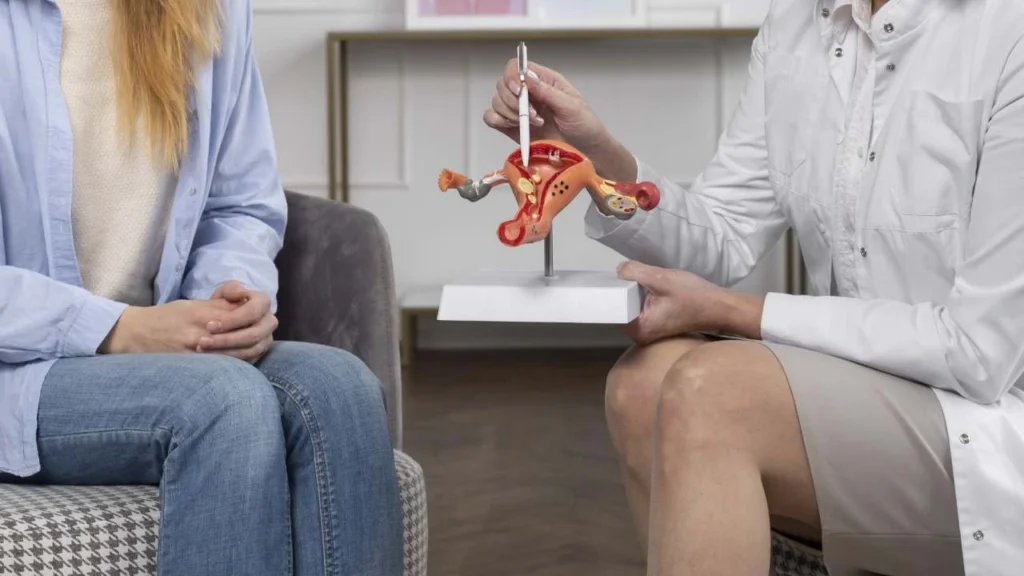
If your symptoms are interfering with daily life or if you’re unsure what’s causing your pelvic discomfort, it’s time to seek expert care. Early evaluation can help you avoid complications.